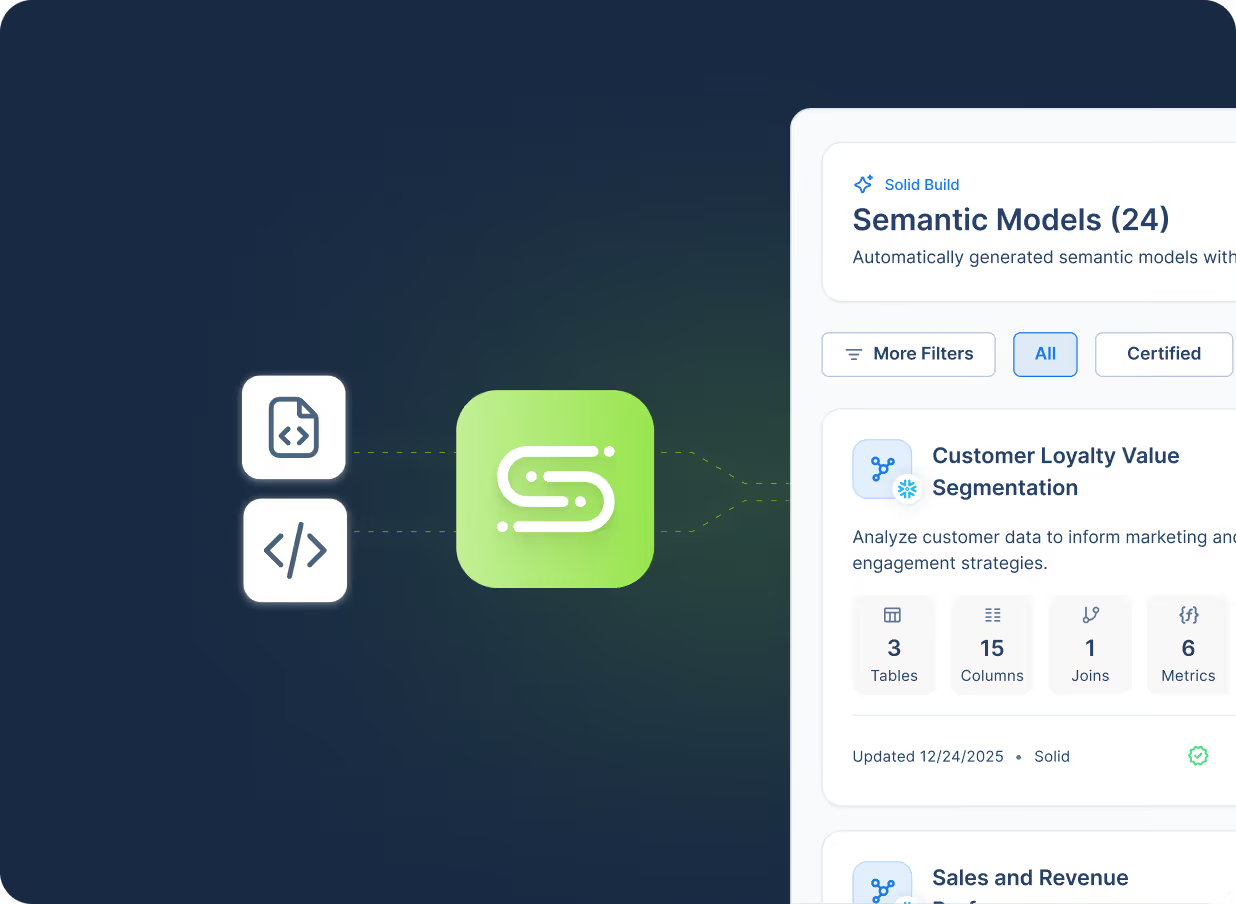
Solid Analyze
Enterprise Text-to-SQL Engine
AI tools hallucinate SQL, guessing table relationships and misapplying definitions, giving wrong answers. Solid Analyze runs against a trusted context layer with correct data assets, joins, and metrics. The result is reliable SQL every time.
- Queries run against a curated context layer, not many unstructured tables.
- Business logic, joins, and metric definitions are set before questions.
- Connects to ChatGPT, Snowflake Cortex, Databricks Genie as MCP server.
Book a demo

.svg)
Watch video

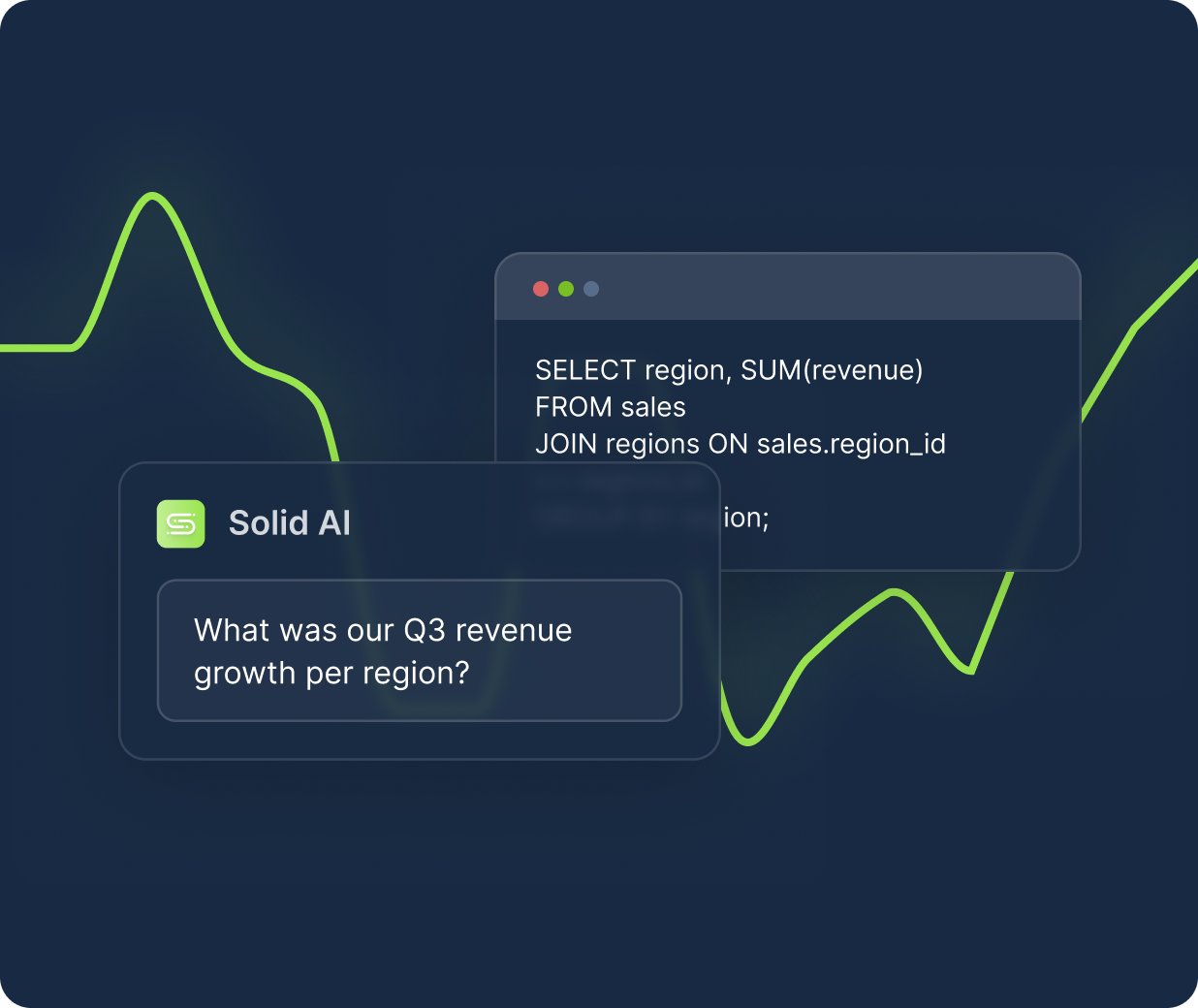
Ask Business Questions. Get Trusted SQL.
Enterprise AI workflows fail with incorrect SQL, causing untrustworthy answers. Solid Analyze auto-generates correct SQL using your context layer, ensuring accurate data, joins, filters, and metrics.
- Sales teams get a ranked list of high-intent leads each morning, pulled from CRM and product usage with your lead scoring applied.
- Marketing campaigns target segments by your definitions of "churned", "upgraded", or "high-value", not AI guesses.
- Finance reports run on schedule with consistent revenue as metric definitions stay consistent.
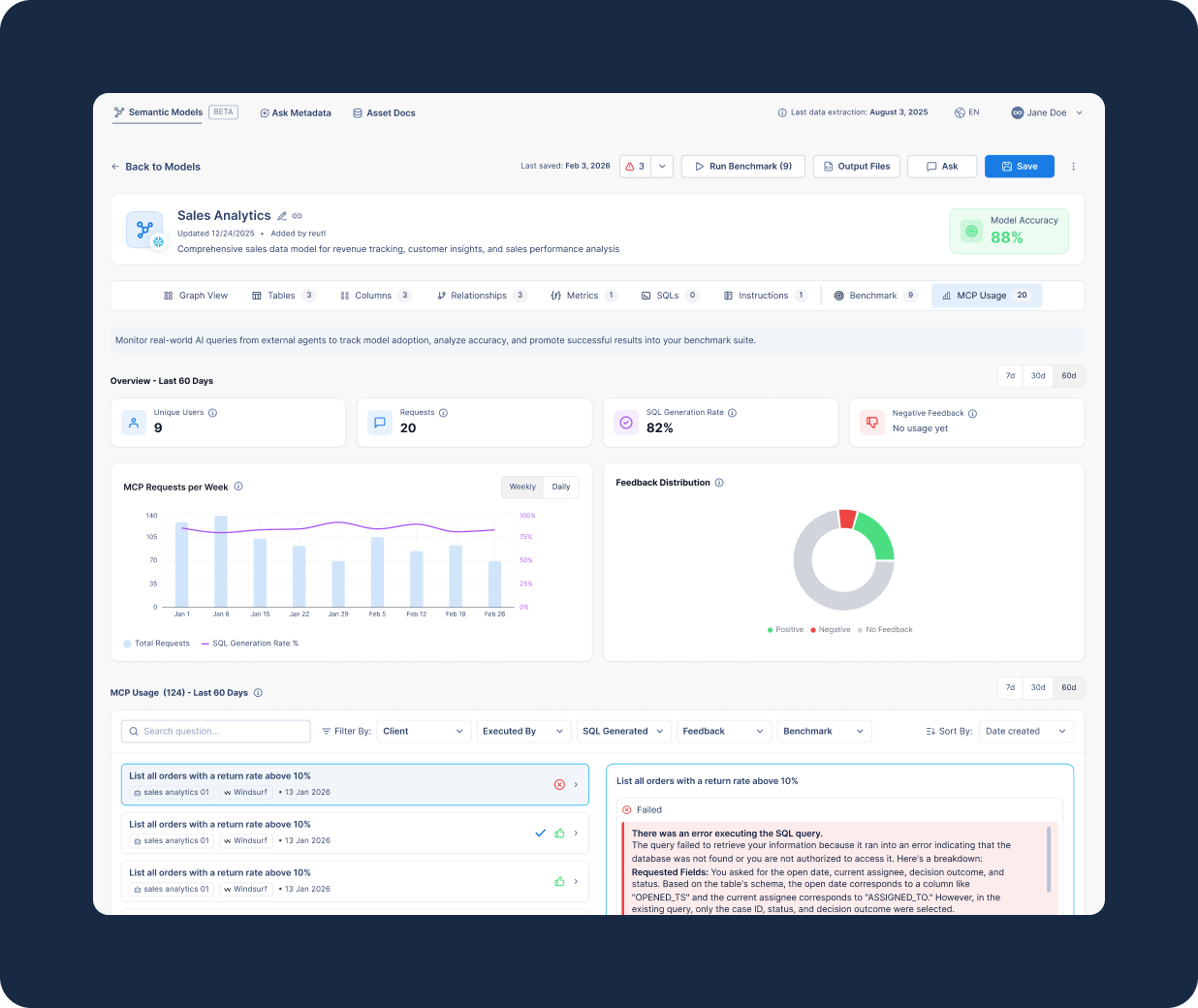
See How Your SQL Performs in Production.
Deploying text-to-SQL is one thing; ensuring it works is another. Solid lets semantic engineers monitor Solid Analyze's performance across AI tools. Track real-time usage, questions asked, SQL generated, and accuracy for each context layer.
- Monitor SQL generation, user feedback, and request volume across AI agents and tools.
- Review real queries - see exact questions from users and AI workflows, plus the SQL Solid generated.
- Spot and fix failing queries, understand failures, and add successful results to your benchmark suite to improve accuracy.
Semantic engineers stay in control by catching problems early and keeping the context layer sharp. It gets smarter with every query.
How Solid Analyze Works
01 Understand
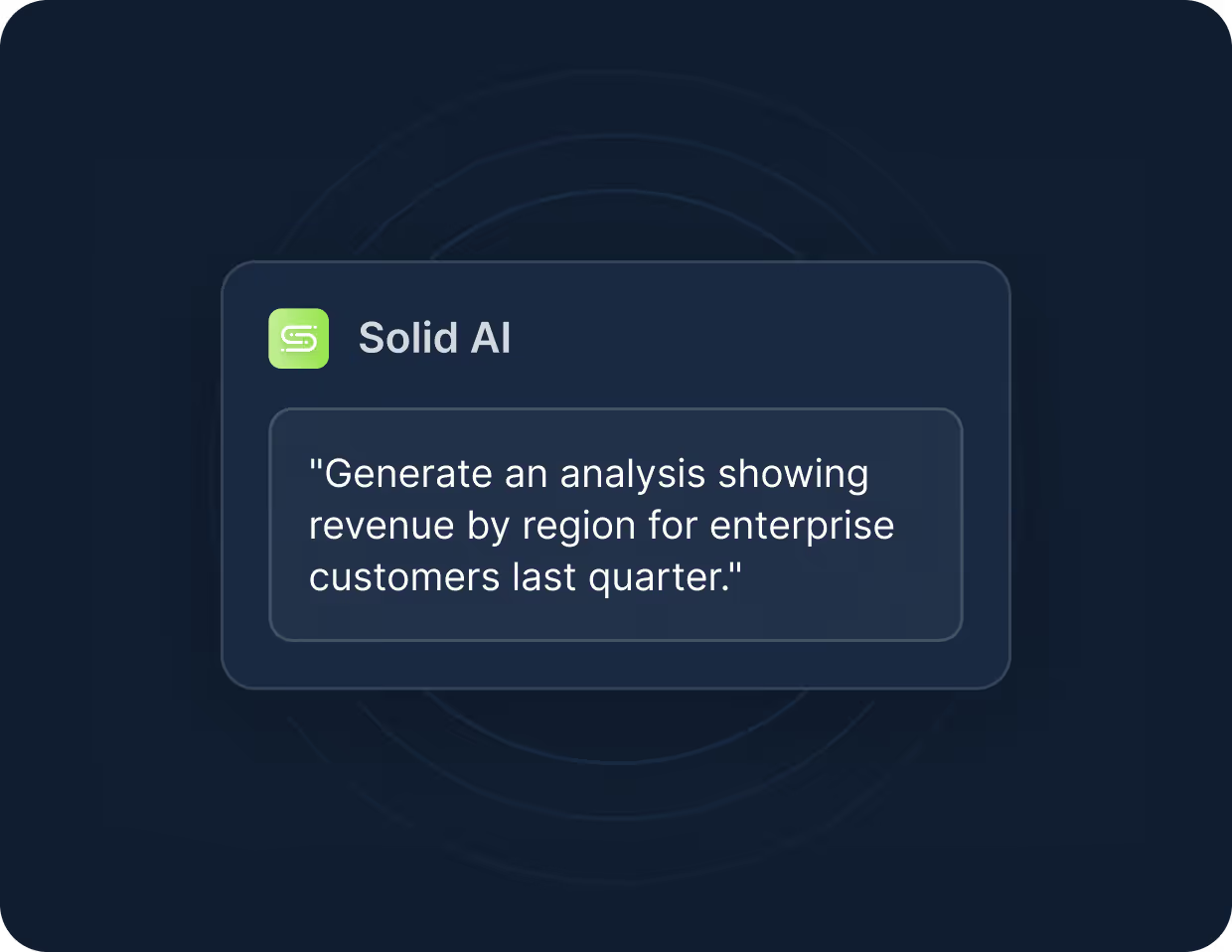
Understand the Business Question
A business user asks a question in natural language:
"Generate an analysis showing revenue by region for enterprise customers last quarter."
Solid doesn't throw that question at your entire data warehouse. It uses its context layer to identify the relevant set of data assets - the right tables, relationships, and business definitions that apply to this specific question. A focused, curated slice of your data, not hundreds of unrelated tables.
02 Generate
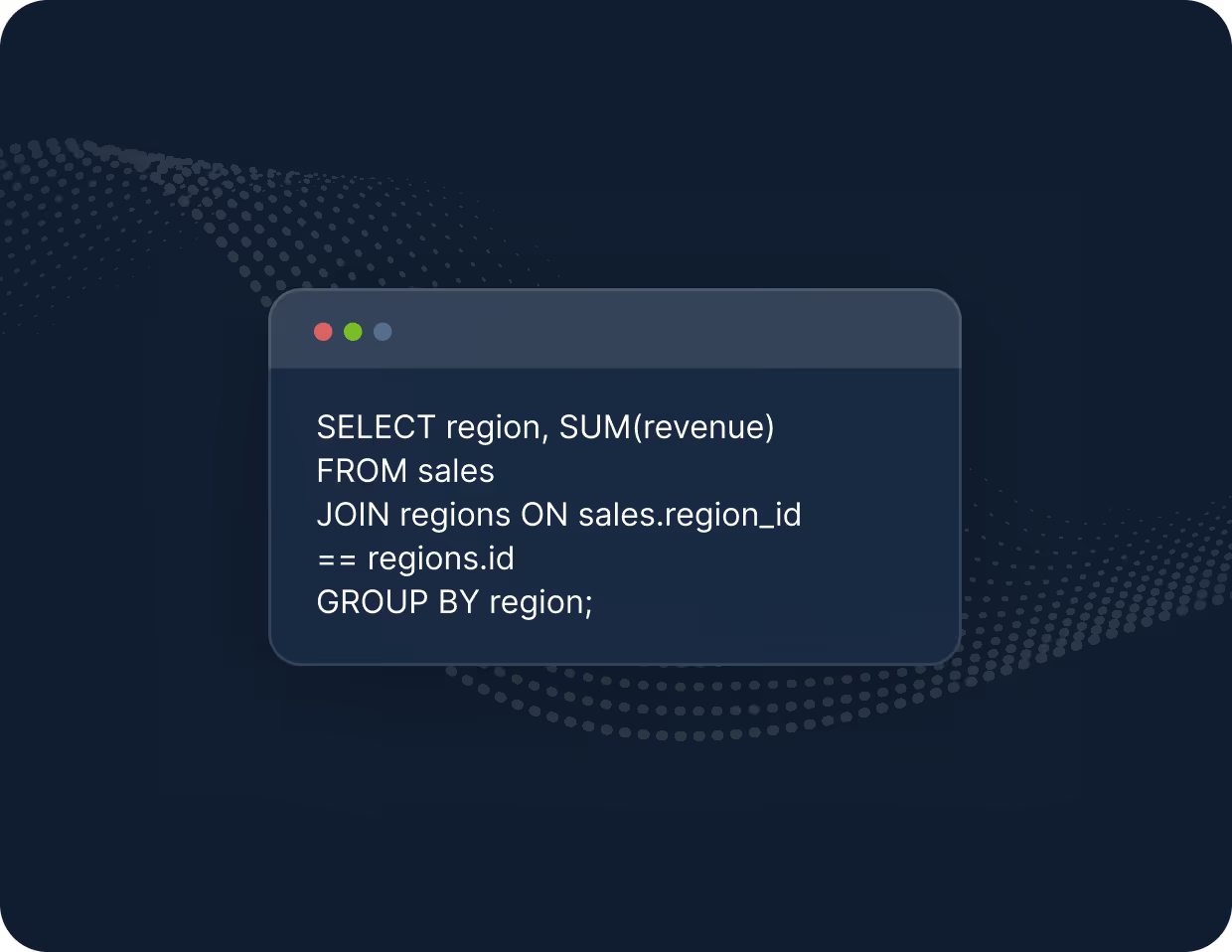
Generate Trusted SQL
From that focused context, Solid automatically produces the SQL required to answer the question. The query includes:

The correct tables
Proper joins across datasets
Business-approved metrics
Filters and calculations aligned with your definitions
The result is production-ready SQL you can run immediately.
03 Run
Run Analysis Anywhere
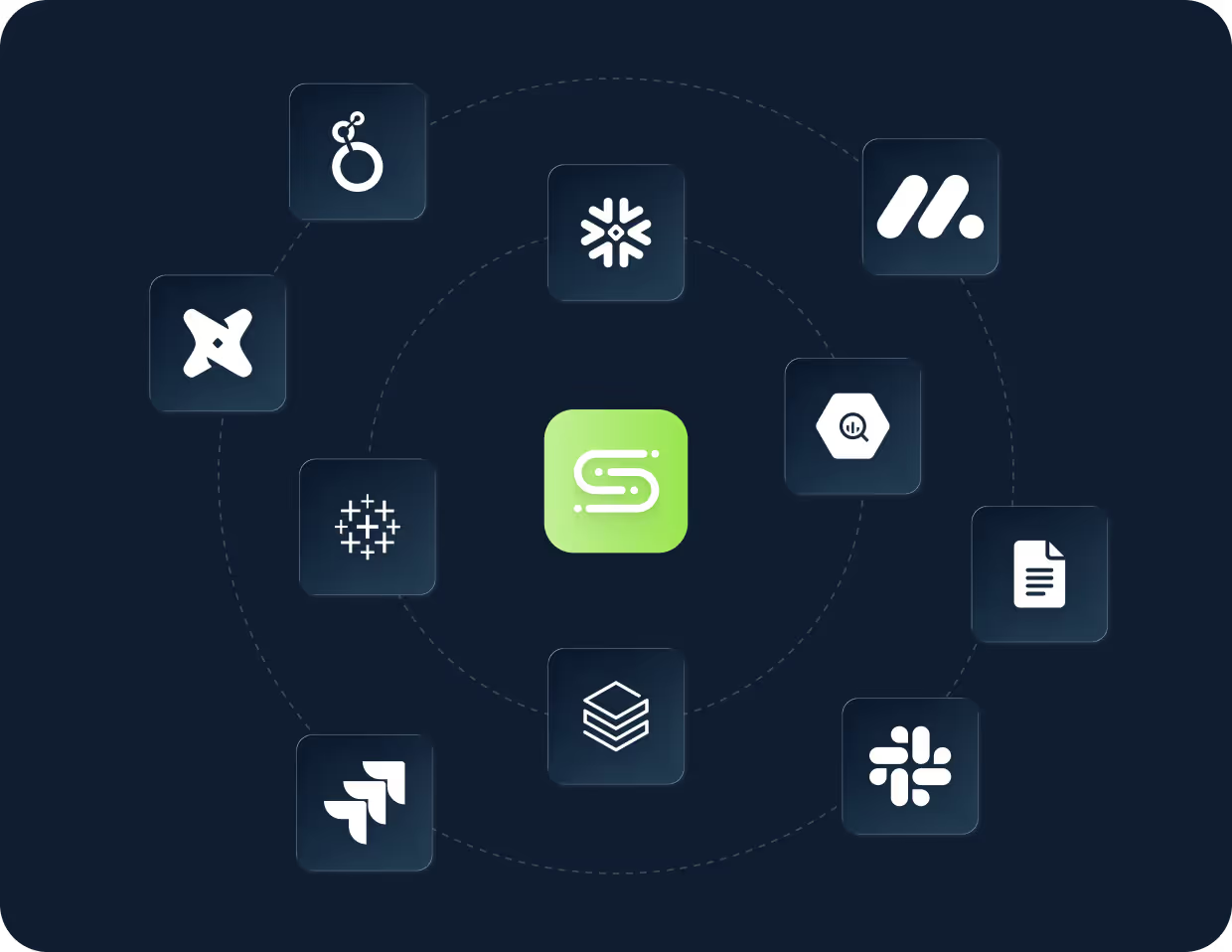
The generated SQL can be used in:
BI tools
Data warehouses
AI assistants
Reporting workflows
Users can say:
“Generate a query or analysis for me that I can run and see the results.”
Solid produces the SQL - and your data platform executes it.
Use Cases
Enable AI to Chat With Your Data
Modern AI tools like ChatGPT, Snowflake Cortex, and Databricks Genie rely on SQL to retrieve answers from enterprise data.
Without Solid
AI guesses how to query the data - often incorrectly.
With Solid
AI uses trusted queries built from real business logic.
How it Works
This is how companies safely enable chat-with-your-data experiences at scale.

Request


Solid SQL

Execution

Result
Enable AI to Automate Manual Workflows
Business processes that today depend on analysts don't have to. AI agents and automated workflows can now query your data correctly - on their own, on schedule, without human intervention.
Without Solid
Automated workflows either wait on analysts or run on unreliable, hand-crafted queries that break when data models change.
With Solid
Workflows always query the right data - using business logic that's already been approved and maintained.
How it Works
This is how companies safely enable chat-with-your-data experiences at scale.
The workflow or AI agent sends the request
Solid generates the correct SQL from the right context
The data platform runs the query
The workflow continues with a trusted result

Sales
Wake up to a ranked list of high-intent leads from the right CRM and product usage tables.

Marketing
Campaigns trigger on the right customer segments based on actual business definitions.

Finance
Reports run on schedule with consistent numbers-metric definitions never drift.
Built for Data Teams
Solid Analyze is designed for data teams responsible for quality, governance, and reliability - and who want to leverage AI to power workflows and enable chat with data. Instead of letting AI generate unpredictable queries, Solid ensures:
- Queries are transparent and reviewable
- Business logic is consistently applied
- SQL is aligned with trusted metrics
- Complex multi-table relationships are handled correctly
Data teams stay in control while enabling self-service analysis for the business.

Solid vs Native
Text-to-SQL Tools
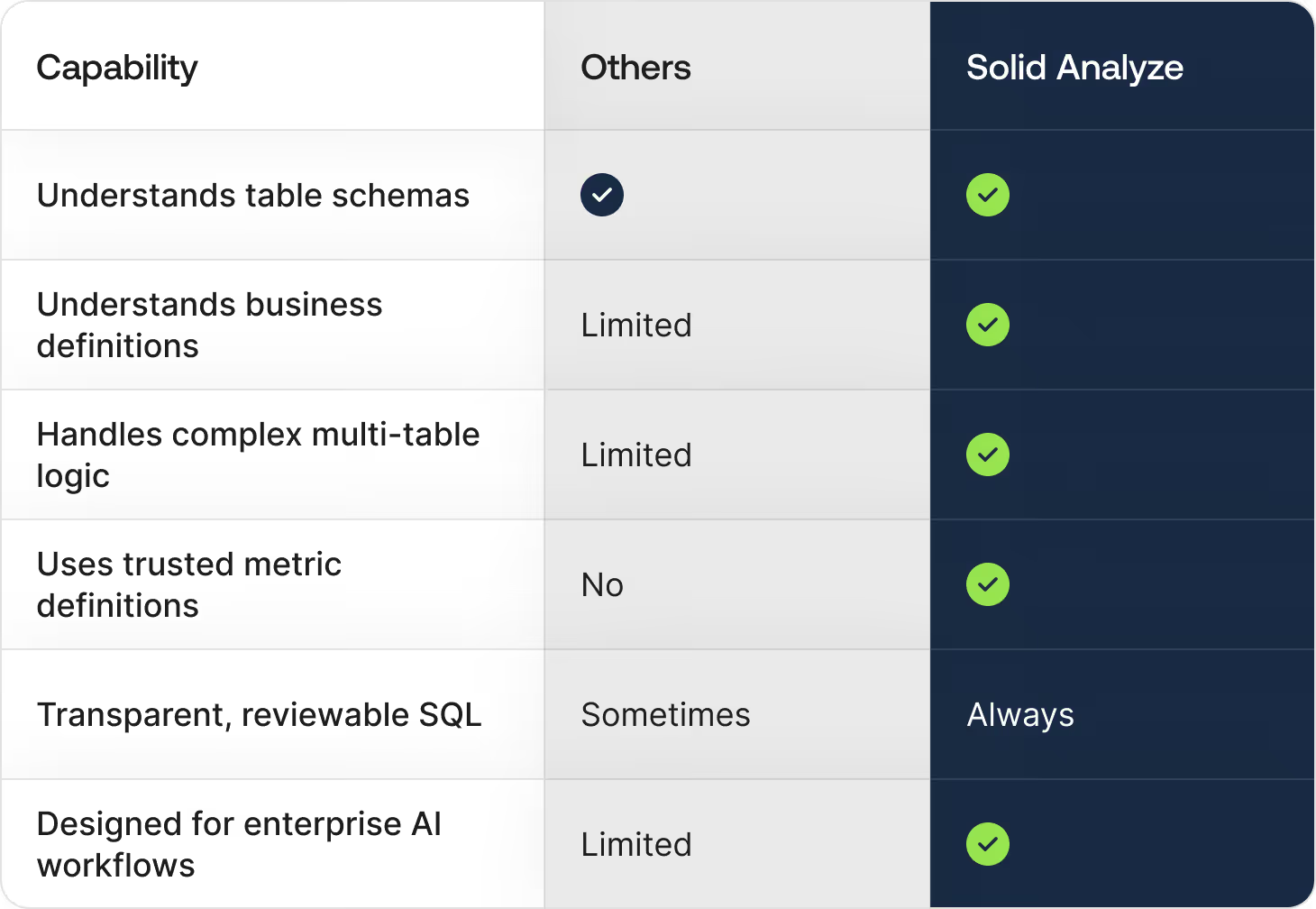
Other platforms provide text-to-SQL capabilities - but they rely heavily on raw schema understanding.
Enterprise data requires more context.
Solid adds the context layer that allows text-to-SQL to work reliably across real enterprise data.
Get a demo
What Solid Analyze Enables

Reliable AI Insights
AI answers questions using SQL grounded in trusted business logic.

Self-Service Data Access
Business users can ask questions without waiting on analysts.

Consistency Across Tools
The same trusted SQL powers AI tools, dashboards, and reporting.

Faster, More Reliable AI
Deploy AI with confidence - improving accuracy to 85%+, reducing data team workload by up to 70%, and accelerating time to value 4x by ensuring AI understands your data.
From Data to Decisions
Solid Analyze turns enterprise data into trusted, executable analysis. Instead of guessing how to query your data, AI works from SQL that reflects how your business actually operates. That means:
- Better answers
- Faster decisions
- AI systems you can trust