Blog
July 17, 2026
What Happens to Your 40,000 Reports?

Blair King Bader
Marketing Manager
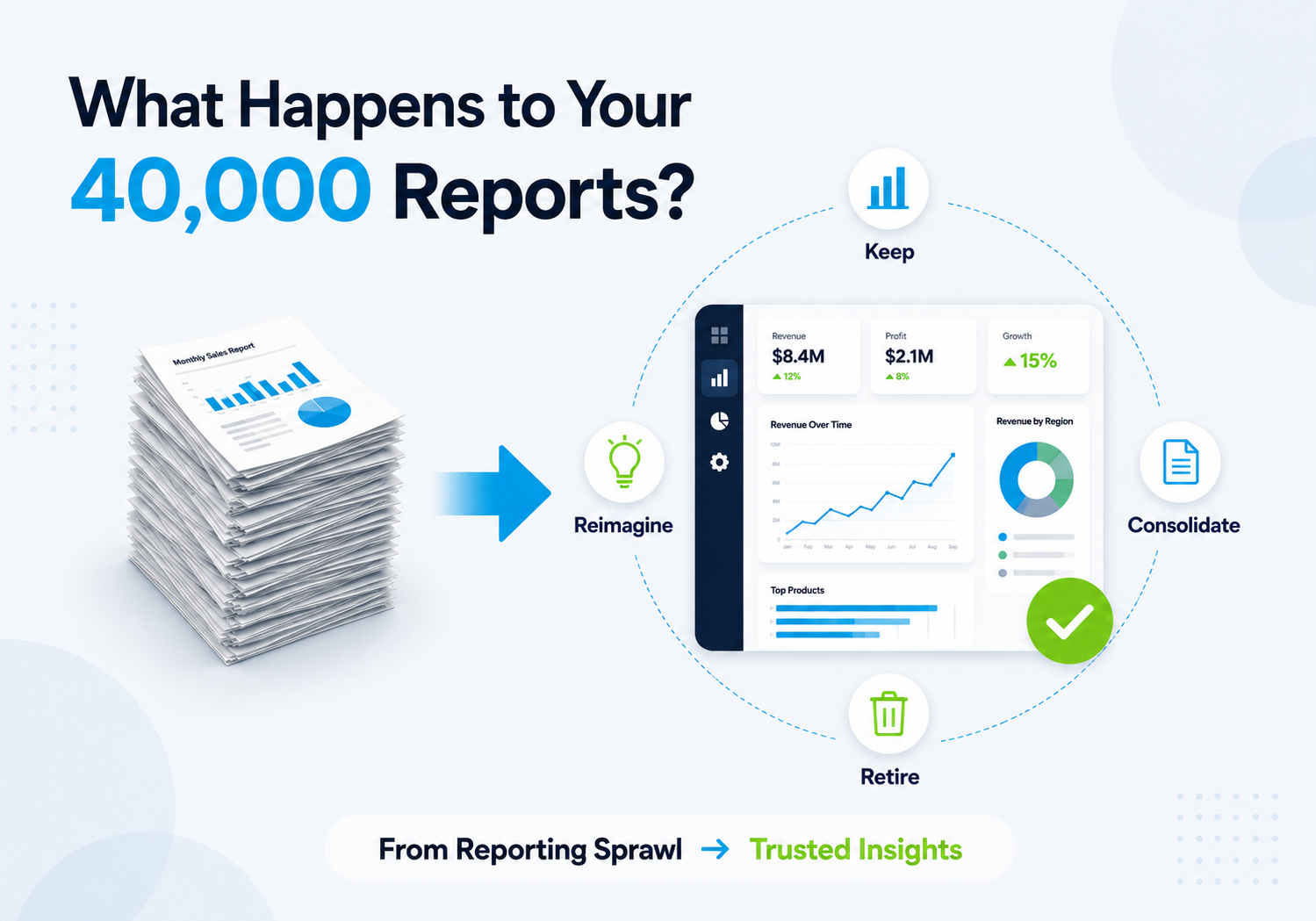
Organizations accumulate thousands of reports over time, but very few still deliver real business value. This article explores why AI is giving data leaders an opportunity to rethink reporting strategies, identify which reports to keep, consolidate, retire, or reimagine, and build a more efficient analytics environment for the future.
Over the past two decades, every new business question generated another report, dashboard, or scorecard. A stakeholder needed an answer. An analyst built a report. The question was solved, but the report remained. Multiply that process across departments, acquisitions, technology migrations, and leadership changes, and it's easy to understand how organizations end up with tens of thousands of reports.
The challenge is that many of those reports were never designed to live forever. Yet when organizations begin modernizing their analytics stack or evaluating AI-powered analytics, they're often faced with a daunting question: what should happen to all of them?
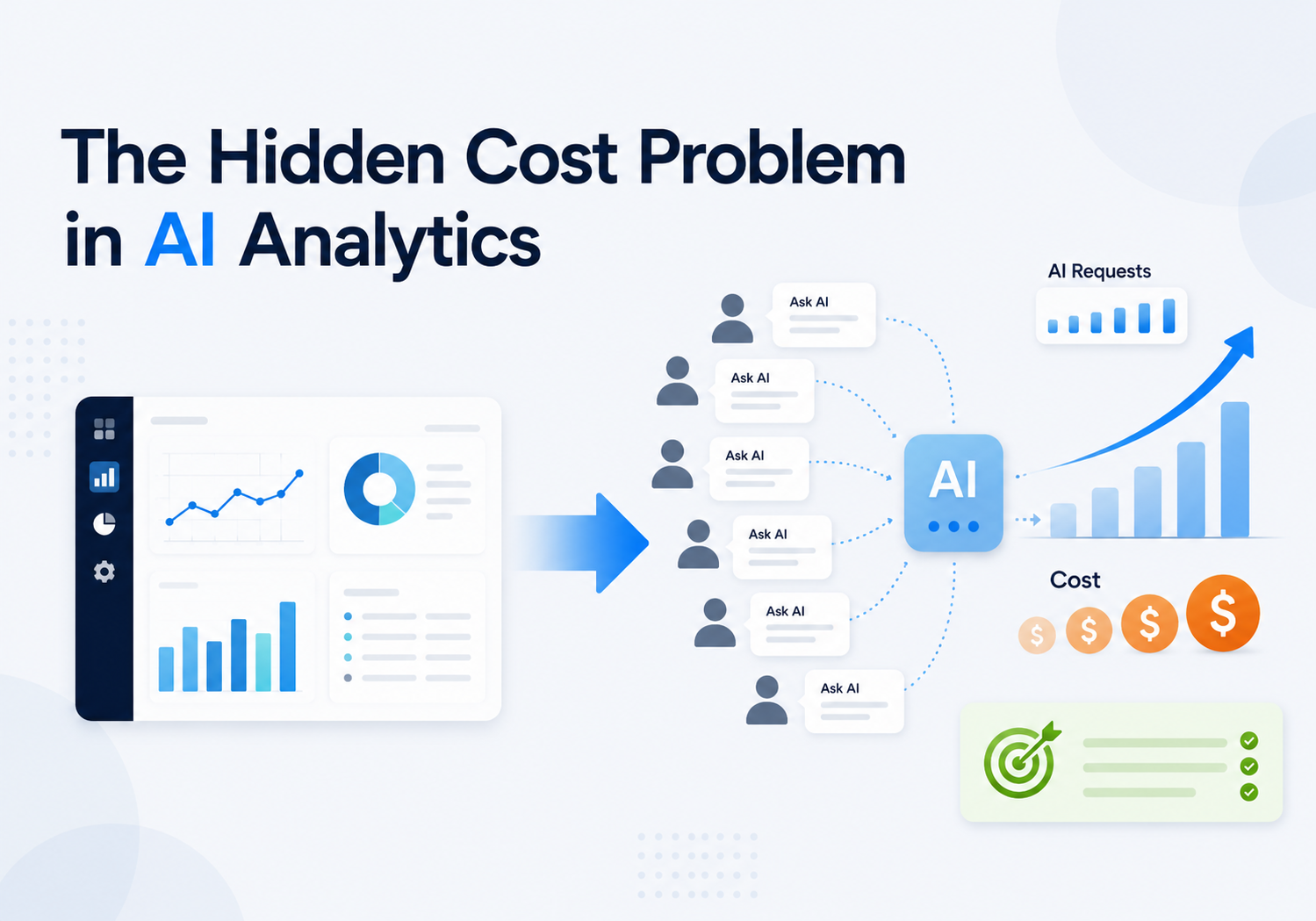
The Hidden Cost of Reporting Sprawl
Most reports feel harmless in isolation. One dashboard here. One operational report there. Over time, however, those assets become increasingly difficult to manage.
Every report carries a cost. Someone has to maintain it, validate it, govern it, and ensure that the underlying data remains accurate. As reporting environments grow, so does the complexity. Teams often discover multiple versions of the same metric, conflicting business definitions, duplicate dashboards, and reports that haven't been used in years.
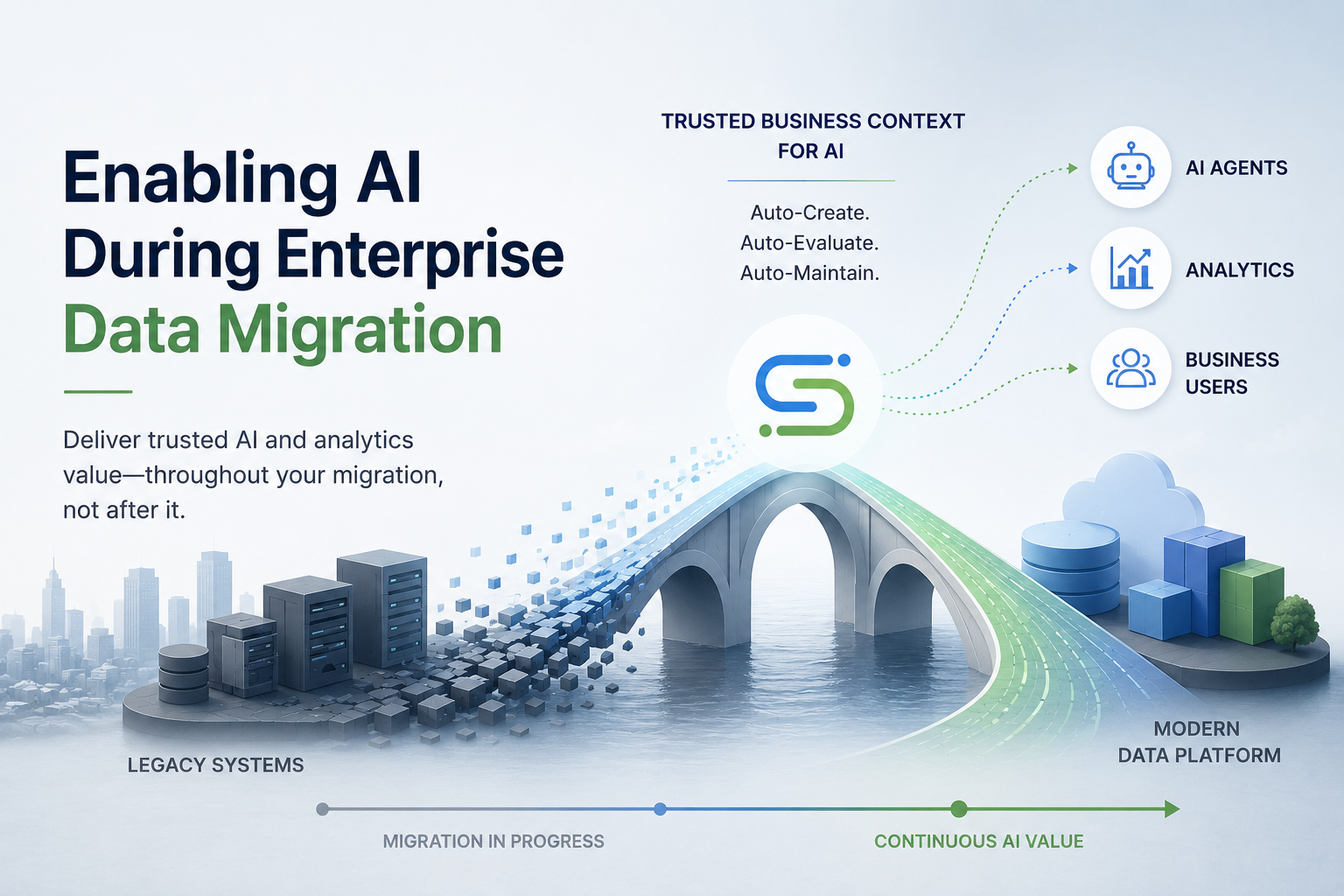
When organizations start planning a migration from legacy BI platforms such as Business Objects, Cognos, or older reporting environments, these challenges become impossible to ignore. Suddenly, every report becomes a decision.
The Wrong Question
Many modernization efforts start with a simple objective: move everything to the new platform.
While that sounds logical, it's often the most expensive path forward. The better question isn't, "How do we migrate all of our reports?" It's, "Which reports still provide business value?"
Modernization shouldn't be viewed as a lift-and-shift exercise. It should be viewed as an opportunity to simplify. Organizations have a rare chance to reassess years of reporting decisions and determine what deserves to move forward.
Not Every Report Should Survive
In our experience, most reports fall into one of four categories.
The first category is reports that should absolutely be preserved. These are the executive scorecards, operational dashboards, regulatory reports, and business-critical KPIs that teams rely on every day. They provide consistent answers to important questions and often serve as the foundation for decision-making across the organization.
The second category is reports that should be consolidated. Many enterprises discover dozens of reports answering essentially the same business question. Different departments build their own versions of revenue reporting. Regional teams create similar dashboards with slightly different definitions. Over time, redundancy becomes the norm. Rather than migrating every variation, organizations can use modernization as an opportunity to standardize metrics and simplify reporting.
The third category is reports that should be retired. This is often the largest group. Every organization has reports that haven't been used in months, reports created for projects that no longer exist, reports whose owners have moved on, and reports that nobody remembers creating in the first place. When teams finally inventory their reporting environment, they're frequently surprised by how much of it no longer serves an active business purpose.
The fourth category is reports that should be reimagined entirely.
How AI Changes the Equation
Historically, every business request required a report.
- A sales leader wanted pipeline visibility? Build a report.
- An operations manager needed a weekly summary? Build a report.
- An executive wanted insight into customer trends? Build a report.
That approach made sense when dashboards and reports were the primary delivery mechanism for analytics.
Today, organizations have more options. Some requests may be better served through conversational analytics. Others may be automated through AI agents that generate and distribute recurring insights. Some analyses may never need to become dashboards at all. This doesn't mean reports are disappearing. It means organizations have more flexibility in deciding how information is delivered.
The goal isn't to replace reporting. The goal is to stop using reporting as the default answer to every question.
The Future Isn't 40,000 Reports
One of the biggest misconceptions in analytics modernization is that success means preserving everything that exists today.
Most business leaders aren't looking for a newer platform that supports the same 40,000 reports. They're looking for a simpler, more trusted, and more scalable analytics environment. That often means fewer reports, not more.
It means stronger governance, more consistent metrics, and less duplication. It means creating standardized dashboards where standardization matters while embracing new ways to deliver insights when dashboards aren't the best solution.
Most importantly, it means recognizing that modernization is as much a business exercise as it is a technology initiative.
A Chance to Start Fresh
Every major technology shift creates an opportunity to rethink old assumptions.
The move toward modern analytics platforms and AI-powered experiences is one of those moments. Organizations don't need to carry every reporting decision from the past decade into the future. They can evaluate what people actually use, what drives business value, and where entirely new approaches make sense.
The companies that get the most value from modernization won't be the ones that successfully migrate 40,000 reports. They'll be the ones that figure out how many of those reports they no longer need.
Other posts

.png)
.png)