Blog
June 25, 2025
What’s Top of Mind for Data Teams and Business Leaders: Lessons from Snowflake Summit 2025

Tali Hirsh
VP Product & Strategy

Tali Hirsh, Solid's VP of Product, recently attended the Snowflake Summit in San Francisco. It was quite eye-opening.
Earlier this month, I had the chance to attend Snowflake Summit 2025 in San Francisco. It was a packed week: sessions, demos, and a lot of hallway conversations about the future of analytics and AI.
If you work with data, you probably won’t be surprised to hear that AI dominated the agenda. But beyond the buzzwords, there were some important themes that stood out, especially for teams trying to deliver better analytics faster.
Here are the top things I took away from the event (from a product leader standpoint):
1. Everyone Wants to Be the AI Hero
Many tech companies are actively building their own AI-based analytics assistants. Why? Because they want more control, more flexibility, and above all - solutions that really match how their data and teams work.
Tools like Snowflake Cortex, Cursor, ThoughtSpot, and Streamlit were frequently mentioned. Companies are using these to create chat-like interfaces that help business users get insights on their own. This kind of self-service is becoming a major priority, especially for ad-hoc questions that otherwise require analysts to step in.
But it’s not simple. Most in-house projects rely on small internal teams (typically a data engineer, an analyst, and a business stakeholder), and they start with a narrow focus - just one domain or use case to prove it works. Expanding beyond that requires a lot of manual work to document the data, which is extremely difficult to achieve
2. The Demand for Analytics Is Growing, But Still Frustrating
It was clear from the sessions and side conversations: business teams are asking for more data, more often. But the way many organizations handle analytics today just isn’t keeping up.
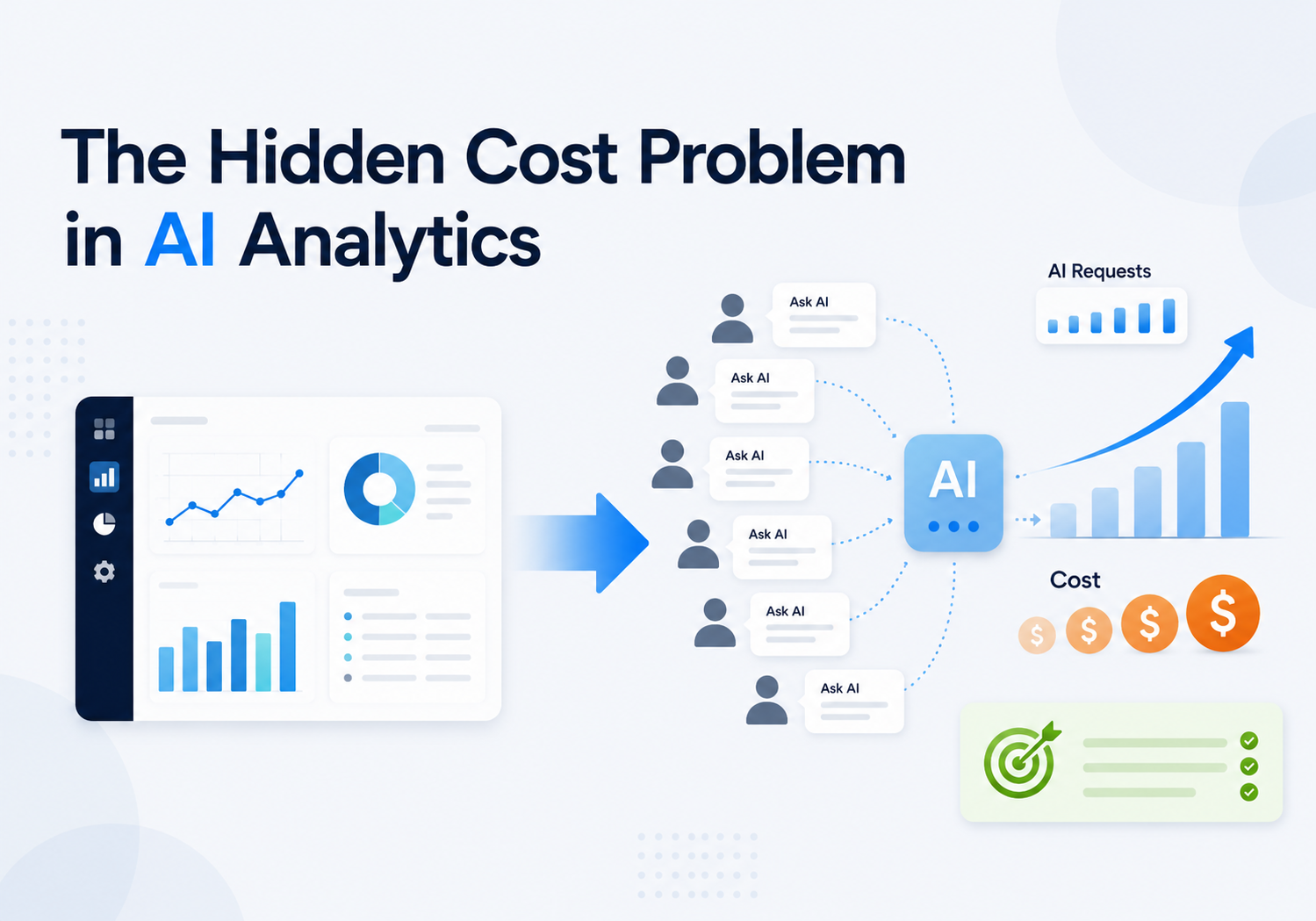
Hiring more analysts is the go-to solution, but it’s expensive and still not fast enough. Worse, outcomes depend heavily on the analyst’s knowledge of the business and systems, which makes quality and speed unpredictable. Organizations aren’t prioritizing the efficiency of their analysts high enough, focusing more on solutions that circumvent the analysts entirely for simple ad-hoc requests.
A big issue? The lack of a standard analytics process. Teams often use different tools, rely on tribal knowledge, and struggle with finding and trusting the right data.
3. The Rise of Workflow Automation and Semantic Layers
In the last 6–12 months, tools that automate data workflows (like n8n, Retool, and Zapier) have gained a lot of traction. Many teams are now using these tools to embed AI into everyday work - automating tasks like sharing results, triggering alerts, or even initiating analyses.
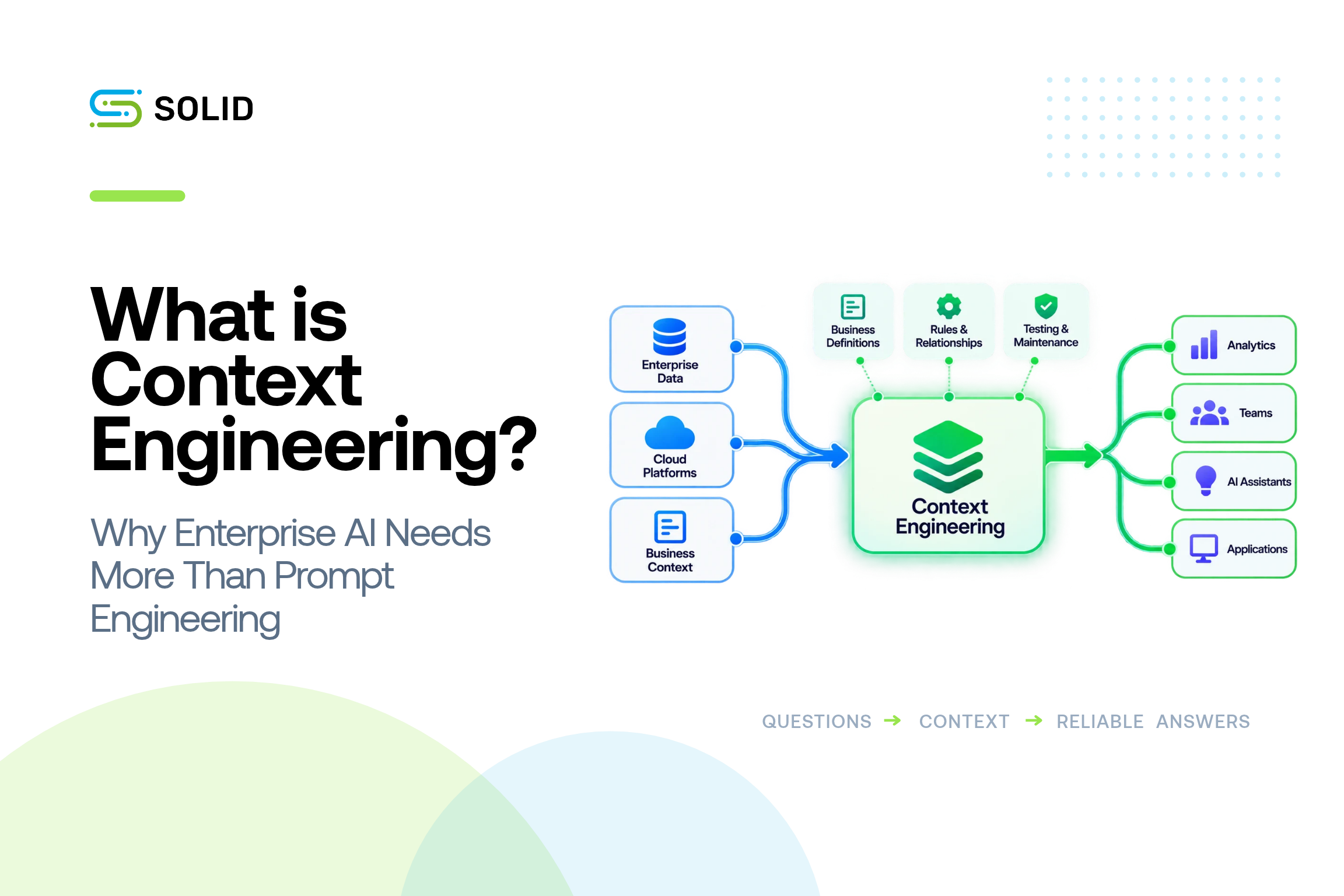
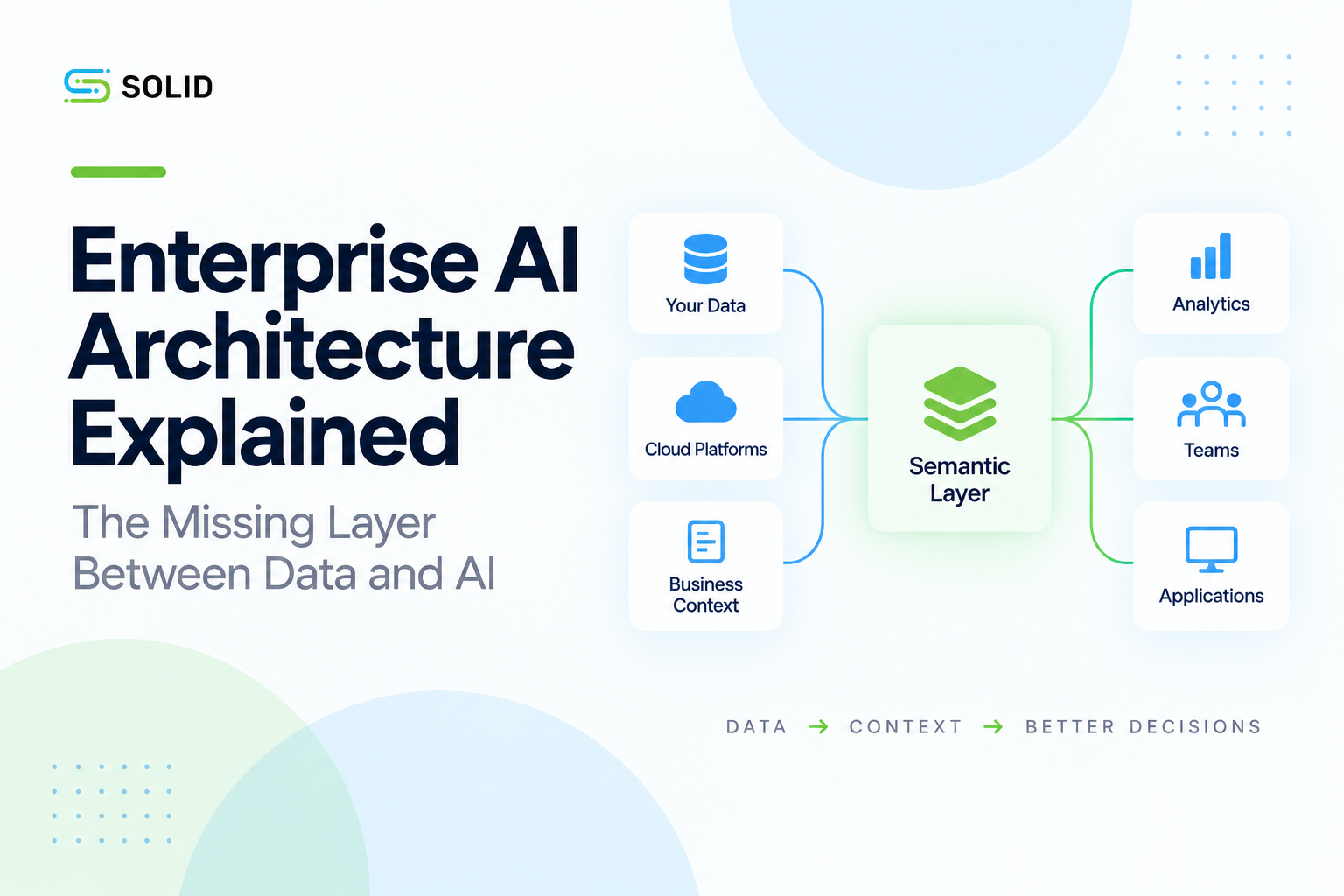
And to make AI work well, companies are investing more in semantic layers. These layers help organize and define data in a way that AI agents can understand and use. But today, they’re built manually - often taking months of work and constant upkeep. An automatic solution is necessary
Snowflake is working on automating parts of this (using SQL history and BI metadata), but it’s not there yet.
4. Business Stakeholders Are Driving the Push for Change
One insight that came through clearly: business owners, not analysts, are the real drivers behind the AI analytics wave.
They want self-service tools, and they want them now. In many cases, they’re even willing to compromise slightly on accuracy to get faster answers. This means that solutions that help business stakeholders do more on their own, without waiting for analyst support, are in high demand.
And this opens an opportunity: build tools that support the analyst by giving the business what they need directly, freeing up time and reducing ad-hoc requests.
5. The Big Idea: Make AI Useful, Not Just Cool
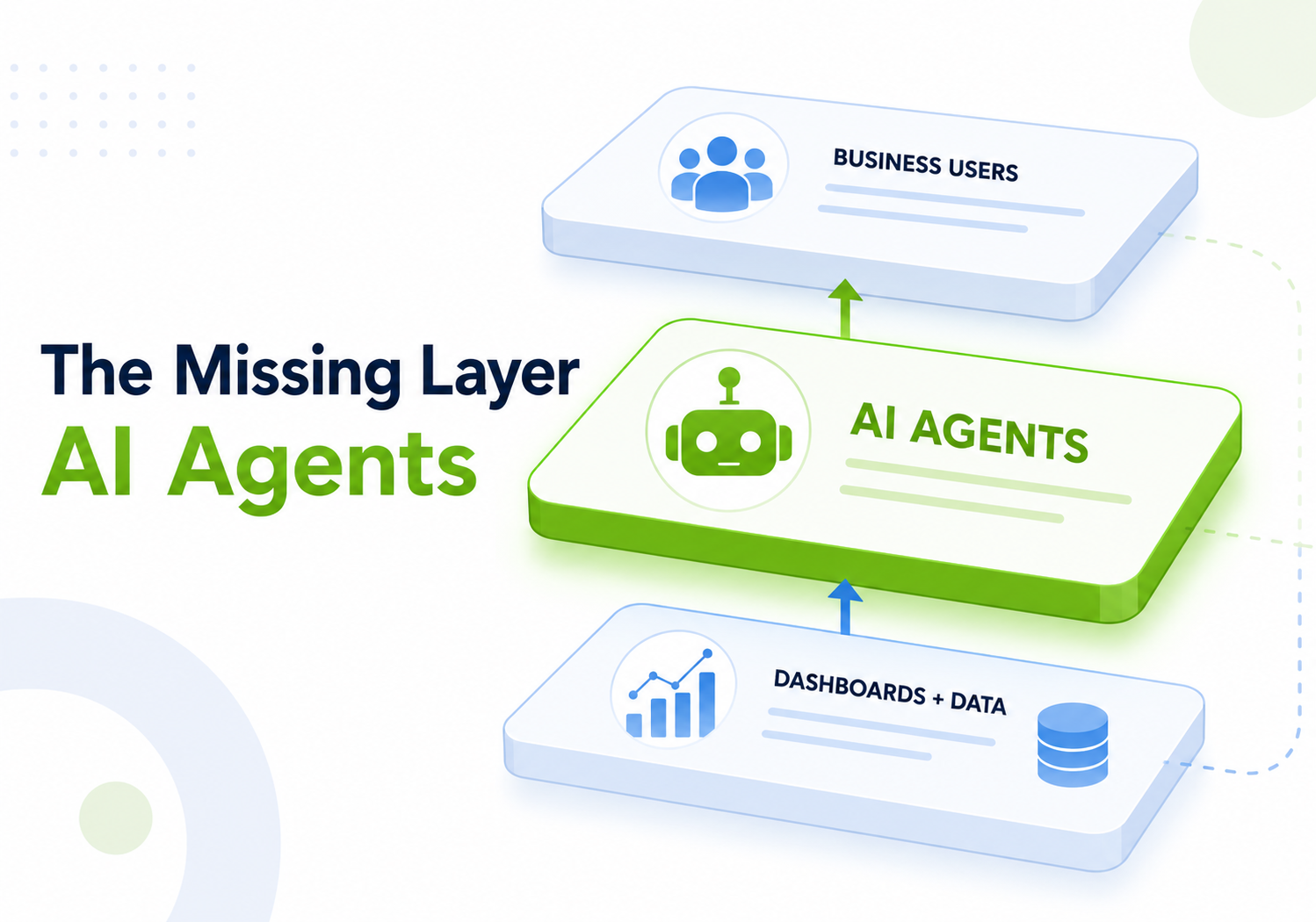
At Solid, we’re focused on helping teams apply AI and integrate them in their existing workflows - without needing to build everything from scratch. The Summit reaffirmed the need for both flexibility and simplicity.
We’re doing two things to help:
- For technical teams: providing a foundation (documentation, semantic layers, metadata insights) that makes it easier to build internal AI-powered tools. (we even do this part for free
- For non-technical teams: offering ready-made no-code agents that plug into tools like Slack or Jira and help business users find dashboards, get insights, or summarize requests on their own.
We’re focusing especially on GTM teams: marketing, sales, customer success, where use cases are more repeatable, and the value of faster insights is immediate.
Final Thoughts
The Snowflake Summit made it clear that analytics is at a turning point. Business teams want answers faster. Analysts need better infrastructure. And AI tools are creating real opportunities, but only if they’re implemented thoughtfully.
Building the right foundation: documentation, governance, standardization, and putting useful tools in the hands of both analysts and business users can make a big difference.
And it’s exactly what we’re working on :)
Other posts