Blog
July 23, 2026
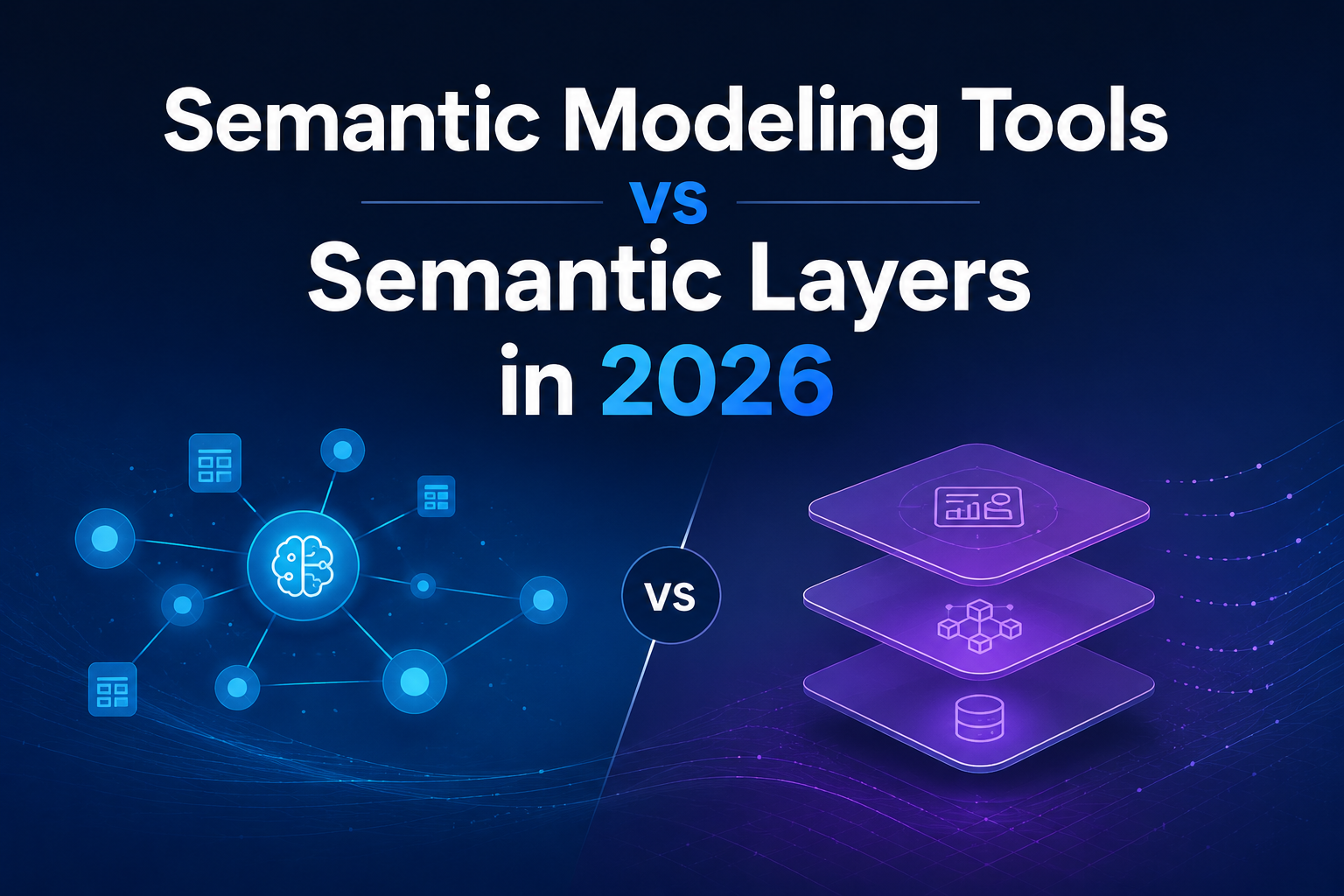
Semantic Layer vs Enterprise Semantic Layer: Why Data Leaders Are Asking a Different Question

Blair King Bader
Marketing Manager

As AI adoption grows, data leaders are realizing that traditional semantic layers are no longer enough. This article explores the difference between warehouse-centric semantic layers and enterprise semantic layers, and why connected business context across systems is becoming essential for trusted AI and analytics.
For years, data teams have been working toward the same goal: creating a single source of truth.
The challenge was largely technical. Data lived in different systems, definitions varied across departments, and reporting often produced conflicting answers. Semantic layers emerged as a way to create consistency by defining metrics, business terms, and relationships in one place.
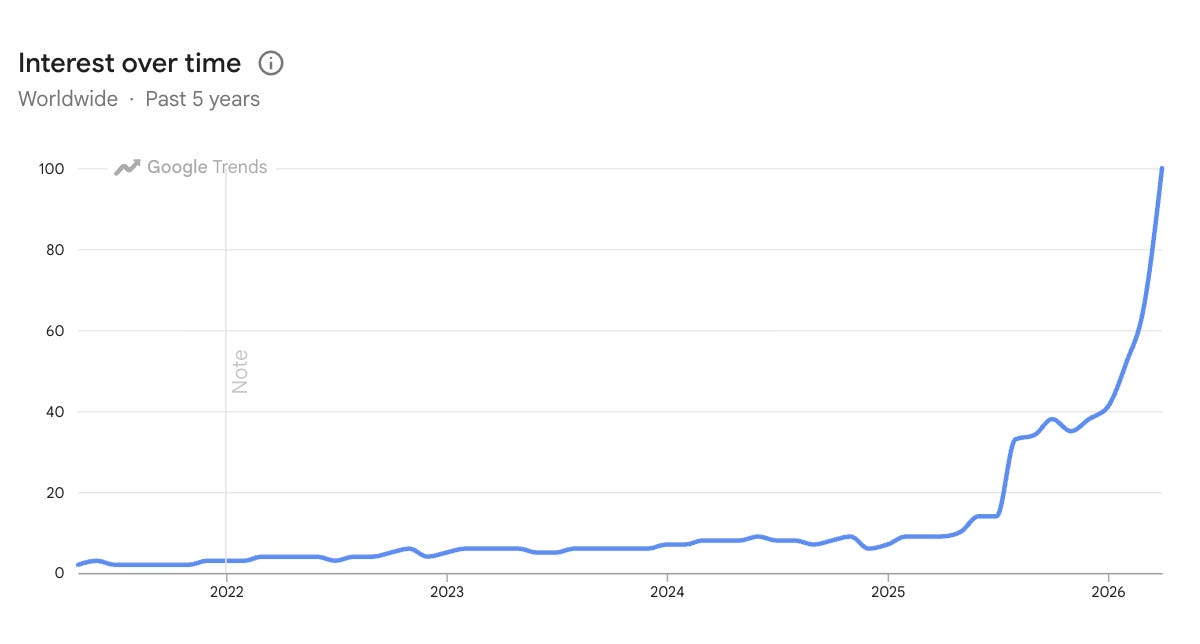
Today, semantic layers are having a moment.
Snowflake, Databricks, Microsoft Fabric, and other platforms are investing heavily in semantic technologies because AI depends on context. Without a shared understanding of what terms like "customer," "revenue," or "claims" actually mean, AI-generated answers quickly become unreliable.
But as organizations move from experimentation to implementation, many data leaders are realizing they're asking the wrong question.
The question is no longer:
"Do we need a semantic layer?"
The question is:
"Can our semantic layer work across the entire enterprise?"
The Warehouse-Centric View
Most semantic layer discussions start in the data warehouse.
That makes sense. Modern warehouses contain a significant portion of an organization's analytical data, and platforms like Snowflake have made it easier than ever to define business logic directly alongside that data.
For many use cases, this works well.
If most reporting happens inside a warehouse and most analytics teams operate from the same environment, a warehouse-centric semantic layer can provide meaningful value. It improves consistency, supports self-service analytics, and helps AI tools understand business context.
But many enterprises don't operate in a single environment.
The Reality of Enterprise Data
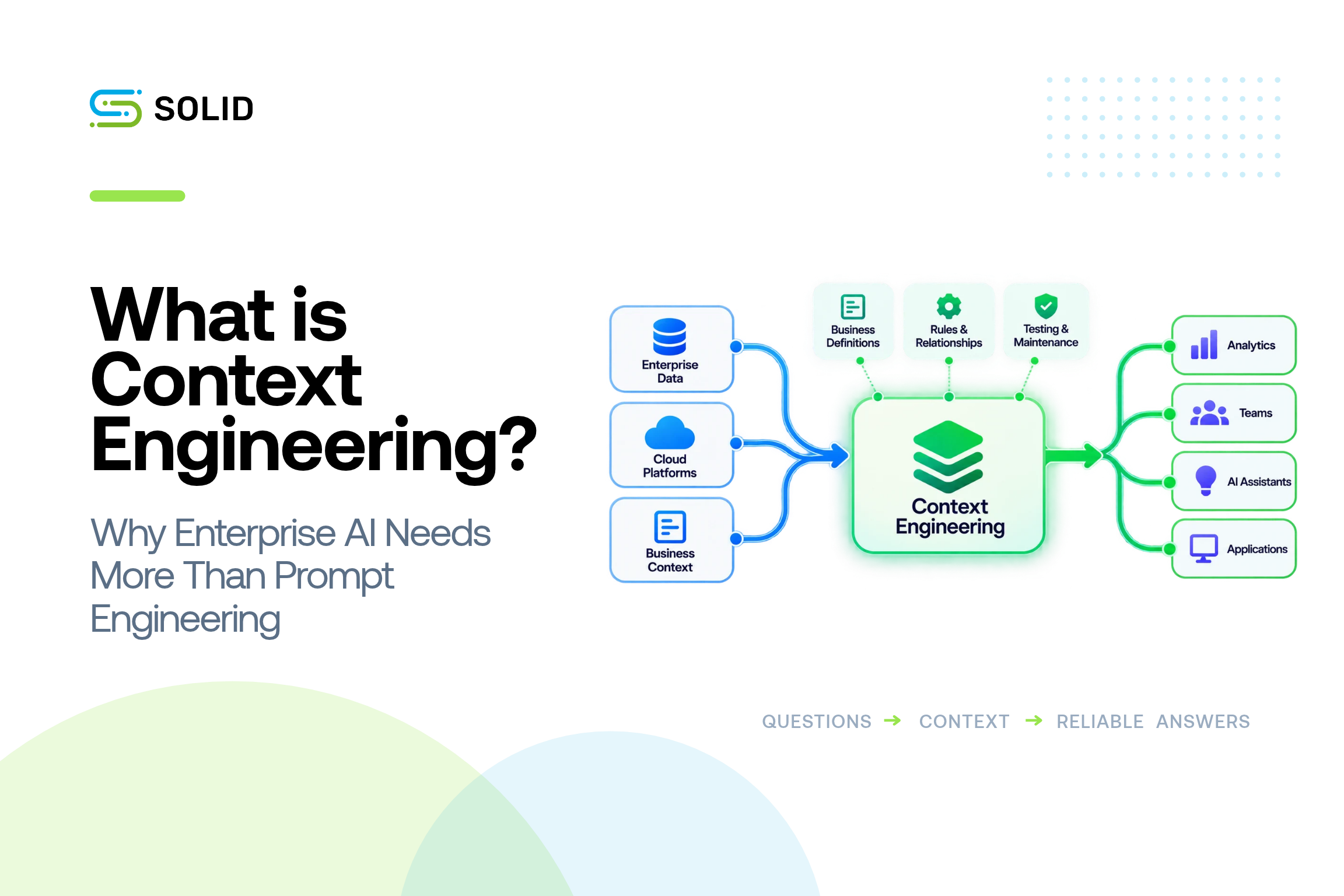
In most large organizations, critical business information exists far beyond the data warehouse.
- Customer data may live in Salesforce.
- Claims data may live in Oracle.
- Operational workflows may exist in SQL Server applications.
- Financial systems may run somewhere else entirely.
The warehouse remains important, but it is only one piece of a much larger ecosystem. This creates a challenge.
If your semantic layer only understands what exists inside the warehouse, can it truly provide context for the entire business?
Why AI Is Changing the Conversation
Before AI, this limitation was manageable.
Analysts understood where data lived. If they needed additional context, they could pull information from another system or consult a subject matter expert.
AI changes the equation.
When business users ask questions in natural language, they expect answers that reflect the full reality of the organization - not just one platform.
If a user asks about customer retention, they don't care whether part of that answer lives in Snowflake, Salesforce, Oracle, or somewhere else. They expect the system to understand the business context behind the question.
That's why enterprise semantic layers are becoming such an important topic.
Organizations aren't just trying to define metrics anymore. They're trying to define business meaning across an increasingly fragmented technology landscape.
The Difference Between Semantic and Enterprise Semantic
A semantic layer helps define business concepts.
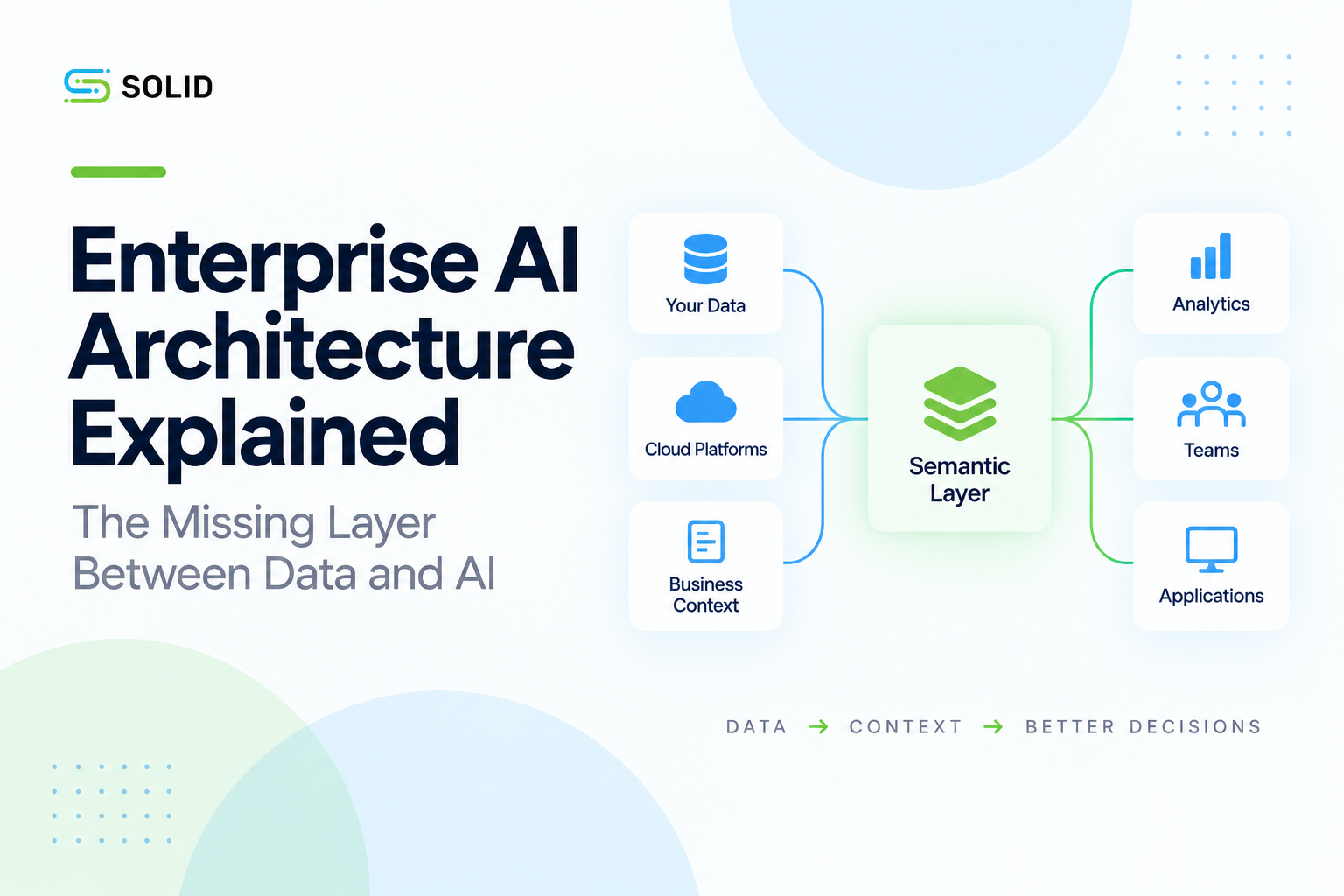
An enterprise semantic layer helps connect those concepts across systems.
The distinction may seem subtle, but it becomes increasingly important as organizations scale AI initiatives.
A semantic layer answers:
- What is revenue?
- What is a customer?
- How should churn be calculated?
An enterprise semantic layer answers:
- Where does customer information live across the organization?
- How do customer records connect between operational and analytical systems?
- Which systems provide the authoritative version of a metric?
- How can AI access trusted business context regardless of where the data resides?
One focuses on definitions.
The other focuses on enterprise-wide understanding.
The Next Phase of Analytics
As AI adoption accelerates, context is becoming more valuable than data itself.
Most organizations already have access to enormous amounts of information. The challenge is helping people - and increasingly AI systems - understand how that information fits together.
That's why data leaders are starting to think beyond individual platforms.
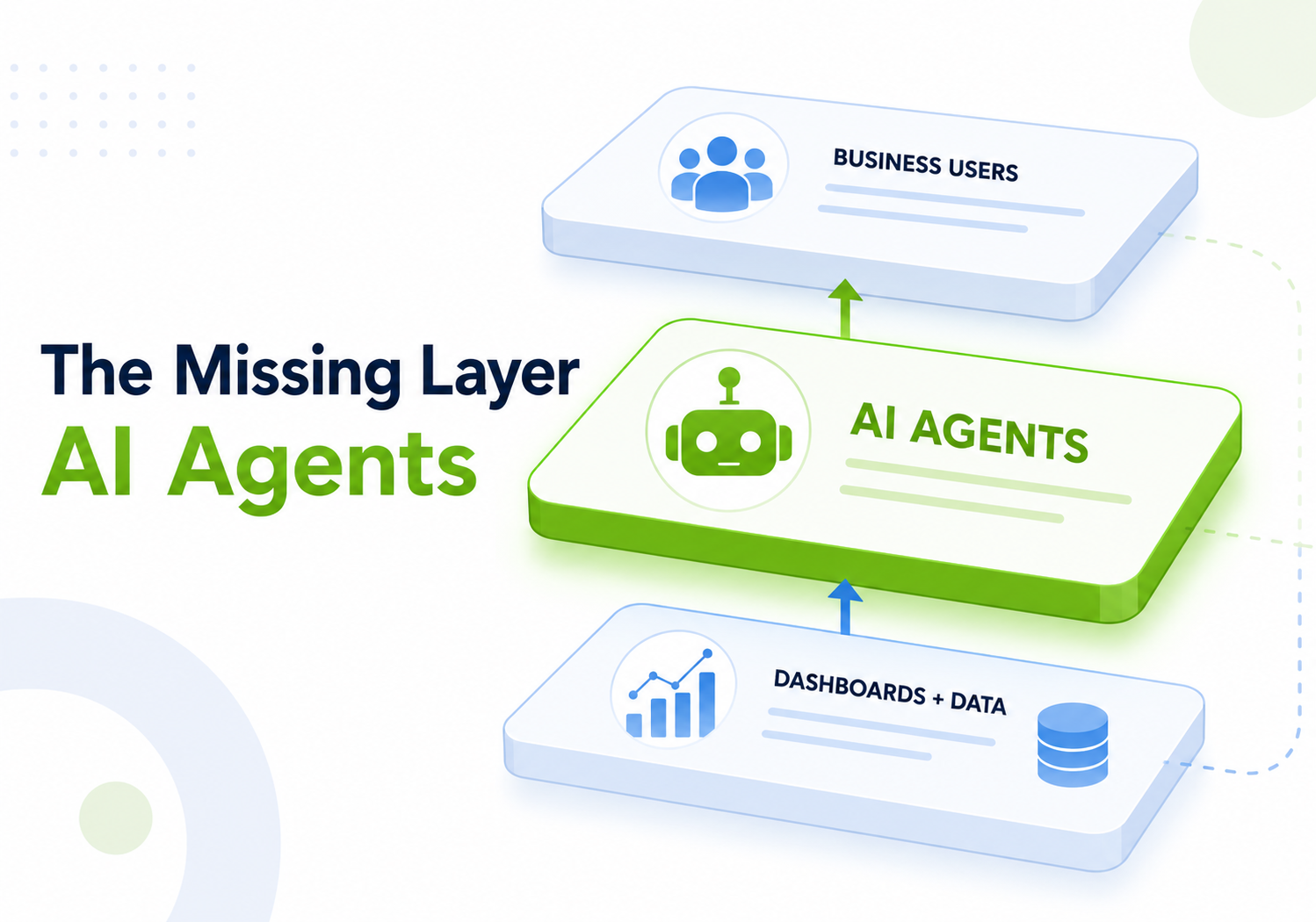
The future isn't simply about building better dashboards or deploying more AI tools. It's about creating a trusted layer of business understanding that spans the entire enterprise.
Organizations that solve that challenge will be in a much stronger position to support AI analytics, autonomous agents, and the next generation of data-driven decision making.
Because ultimately, the goal was never just to centralize data. It was to create a shared understanding of the business. And that's a much bigger challenge.
Other posts

.png)
.png)